


The Great Watch Retail Reckoning: Andrew McUtchen on community, microbrands, and the end of an era
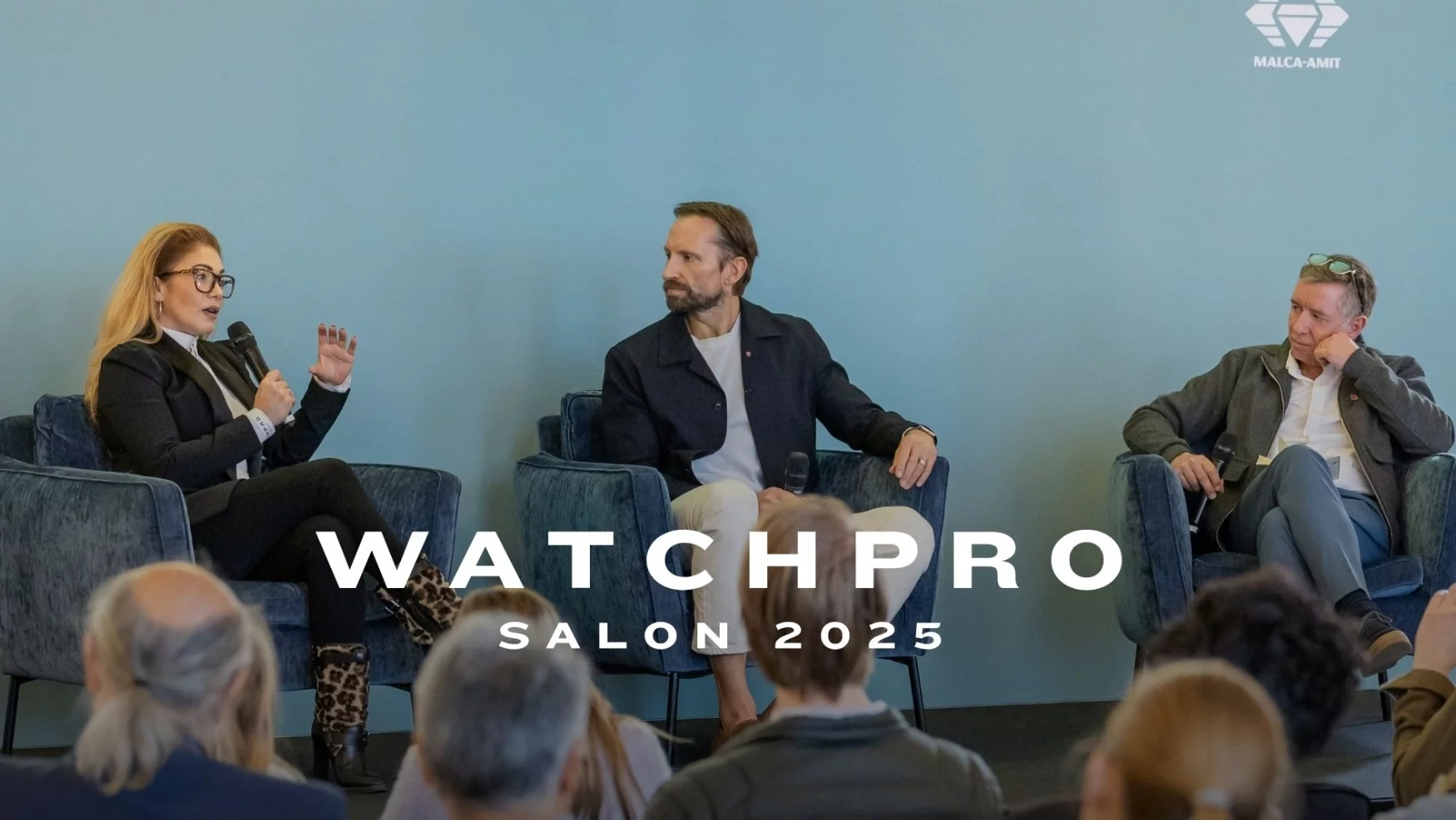
Time+TideAt a recent WatchPro seminar, our very own Andrew McUtchen delivered some of the most candid observations on the state of watch retail we’ve heard in years. Speaking alongside former Watches of Switzerland buyer Faye Soteri and WatchPro’s Rob Corder, McUtchen painted a picture of an industry at an inflexion point, one where traditional retail models are collapsing under the weight of their own arrogance, and where informed consumers are pulling back the curtain on decades of opaque pricing.
“This is probably the biggest disruption to watch retail since the Second World War,” McUtchen stated bluntly. His reasoning? A perfect storm of increased watch literacy, transparent micro brand pricing, and the democratisation of information. “The customer now asks ChatGPT: Is this watch good value for what it is?” he explained. “And ChatGPT will say it is comprised of this steel. It’s 316L steel. It’s an ETA 2824. It will break down its components and tell you exactly how good value it is.”
This “enlightenment period,” as McUtchen calls it, represents an existential threat to mid-tier brands that have relied on brand cachet alone. “This era where you could sell a middle market brand and not even discuss its movement, not even discuss its actual qualitative elements, and just sell it based on brand alone – that era is over.” The implication is clear: brands can no longer hide behind marketing budgets and heritage alone. Consumers want transparency, value, and authenticity.

It’s against this backdrop that Time+Tide’s physical Watch Discovery Studio model begins to make sense. When asked about the opportunity created by brands losing their place in traditional retail, McUtchen was unequivocal: “I have no intention of becoming a home for the brands that have lost their place in traditional retail. I am totally focused on providing a home and a space for these incredible brands that are out here.”
Those brands? The microbrands and small independents that have been “direct to consumer, that have listened and pivoted to what consumers want so quickly.” McUtchen sees these brands as the vanguard of innovation: “Everything is happening first in micro brands now. And then you’re seeing Rolex [do a] GMT-Master II with tiger eye years after microbrands have been fully exploring stone dials.”

But physical retail for microbrands isn’t about volume, it’s about conversion and community. McUtchen was refreshingly honest about the economics: “We are living proof that there is a need for a physical space for these brands. However, let’s not kid ourselves. We are making a fraction of the sales for most of our brands. For Studio Underd0g, we would represent less than 5% of their sales.”
The real competitive advantage? Community. And here McUtchen didn’t hold back on traditional retail: “I would say retailers in many cases have built an anti-community. There’s so much antipathy. There’s so much acrimony about the retailer relationship that not only have they not invested in creating communities and serving people without a financial ask, they also have pissed a lot of people off.”

Time+Tide’s model only works because of years of community building through content. “We would have no chance of making our model work if we didn’t reach 14 million people a month on Instagram, 3 million people a month on YouTube, 5 million people a month on the website.”
McUtchen sees this as part of a broader cultural shift: “It just happens to align with a broader cultural pivot towards connection in a disconnected age. We’ve lost third spaces. We don’t go to church anymore. There are very few places where we congregate as a community.”

The watchmaking industry is experiencing its own great unbundling. Traditional retail, built on gatekeeping, limited information, and brand hierarchy, is giving way to a more transparent, community-driven model where education trumps salesmanship and passion beats pressure. As McUtchen put it when discussing his team’s approach: “The ability our team has to contextualise someone based on their watch and then meet them on that level is just a beautiful thing to see every day.”
It’s not retail theatre. It’s just people who genuinely love watches, talking to other people who love watches. Revolutionary? Perhaps only because the industry forgot this was supposed to be the baseline all along…