



Time+Tide Wrapped: Our top 15 articles of 2025, from interviews to opinion pieces and everything in between
Jamie WeissWe published over 1,100 articles on Time+Tide in 2025, ranging from breaking news on watch releases and happenings in watch culture to in-depth opinion pieces, celebrity interviews and long-form watch education. Even as the Managing Editor, it’s hard to assemble a shortlist that’s actually short, given the sheer number of articles that went live (and that’s alongside the hundreds of videos and thousands of social media posts we’ve penned with blood, sweat, and tears for your pleasure). I’m very proud of our entire writing team’s output in 2025, and truthfully, this list could be much longer than 15 articles, but I’ve tried to whittle it down to 15 great reads that you can enjoy over this holiday season.
Rolex calls it quits on the Carl F. Bucherer brand, but I have a proposal for the Crown…
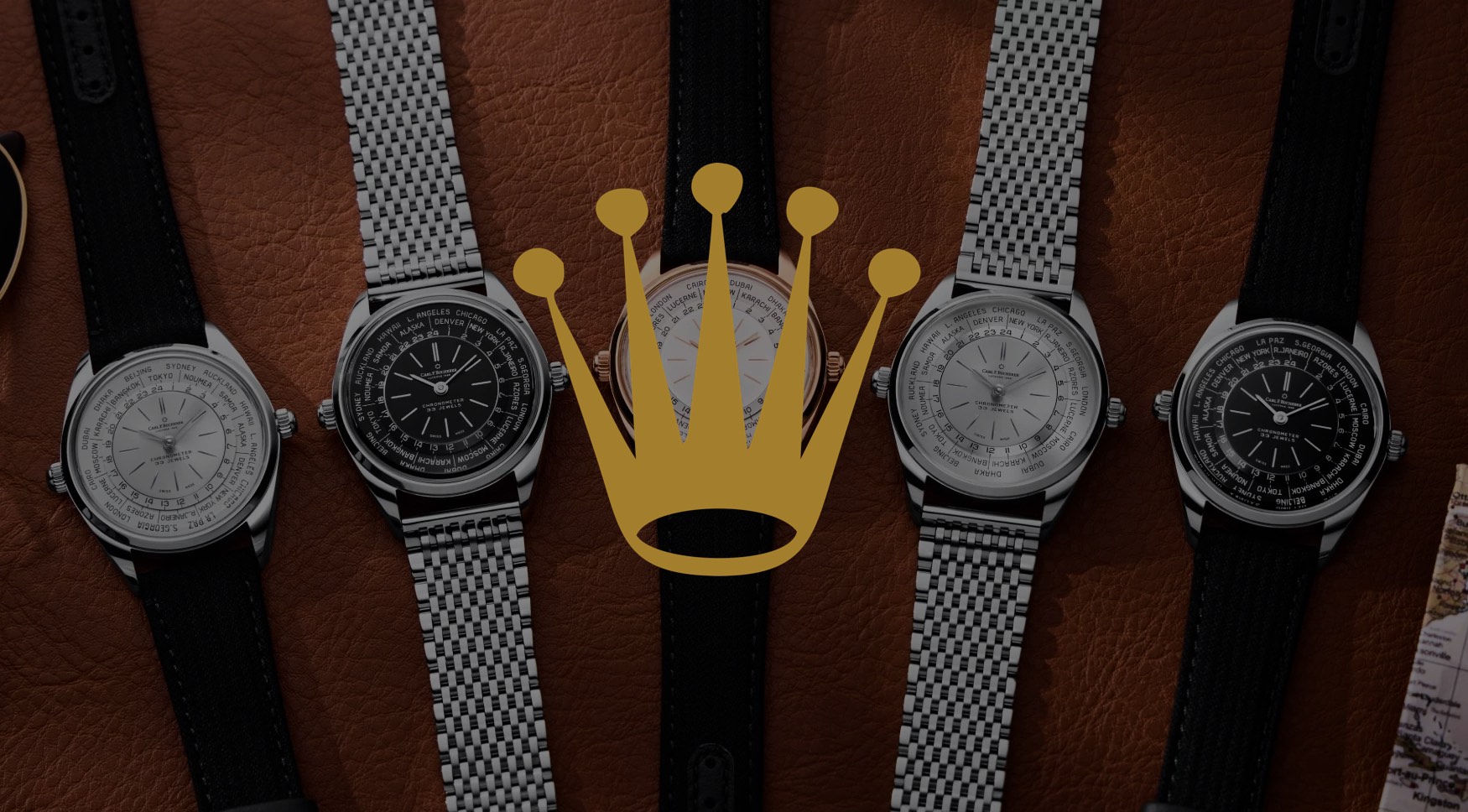
In February, media reports emerged that Rolex had apparently decided to shutter Carl F. Bucherer (the watchmaking brand, not the Bucherer retailer arm), though neither Rolex nor Bucherer have confirmed such a decision to date. This rumoured pulling of the plug comes 18 months after Rolex acquired Bucherer in August 2023, and could affect approximately 100 employees tied to CFB watchmaking.
With Carl F. Bucherer reportedly long unprofitable, it makes sense that Rolex would put an end to what’s described as “Jörg Bucherer’s expensive hobby.” However, Zach saw a solution that would benefit both Rolex and perhaps the legacy of CFB. Read Zach’s proposal here.
How spies and soldiers help keep mechanical watches relevant

One of the biggest sources of inspiration and storytelling in modern watch design, alongside diving and aviation, is the armed forces. The development of many horological innovations and formats owes its genesis to warfare: field watches, fliegers, rotating bezels… Watch enthusiasts love the romance or aesthetic of hardy timepieces you might find strapped to the wrists of strapping soldiers. Watch brands similarly love trading on the perceived glamour of espionage – usually with fictional spies like James Bond, but also (mostly implicitly) with real-world intelligence operatives.
Of course, a lot of this is just that: storytelling. Just as few professional divers use mechanical dive watches as their primary dive timers, most spies and soldiers don’t wear mechanical watches. Yet, at the same time, the world’s militaries and intelligence services are potentially some of the only professional fields left where there’s a genuine use case for mechanical watches. Read Jamie’s explanation of why here.
Henry Cavill on Longines: From Superman to Swiss valleys, and why we still need watches
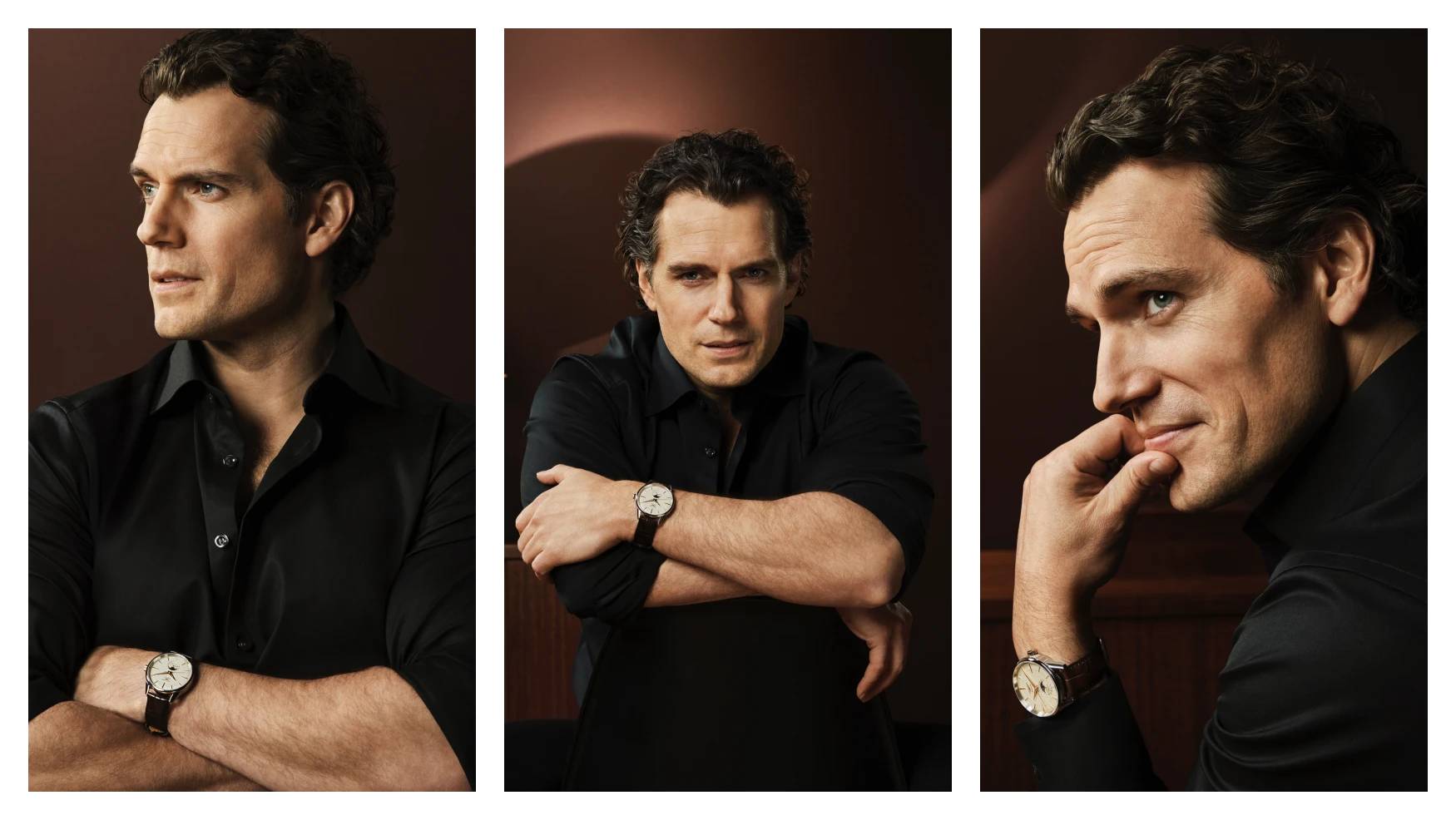
There’s something beautifully anachronistic about Henry Cavill’s journey into watches. Here’s a man who’s spent his career embodying the cutting edge of modern entertainment – from Superman’s CGI cape to the elaborate fantasy worlds of The Witcher – yet he’s found himself utterly captivated by the 17th-century artisanship still thriving in Swiss valleys.
“It’s almost a sin to call it simplistic,” Henry Cavill told our founder Andrew McUtchen during their chat, “but in its complexity, there is something simplistic and pure about having a wristwatch.” It’s a sentiment that perfectly captures both the man and the brand Henry Cavill has come to represent. Read Andrew’s interview with the superstar here.
Why making watches is an uphill battle outside of Switzerland

Ask anybody to name a Swiss product, and they’ll either say chocolates, army knives, or watches. Few countries have such strong ties with any particular kind of manufacturing, let alone specifically watchmaking. Sure, there are heritage brands based in Britain, France, Germany and Japan, as well as the microbrands popping up all over the place, but none of them are set up for success quite like the Swiss.
Is there something in the water? Or does history hold an explanation? There are many factors, and none of them is insignificant. Read Buffy’s education piece here.
What’s the deal with dealer clocks, and how can you actually get a legit one
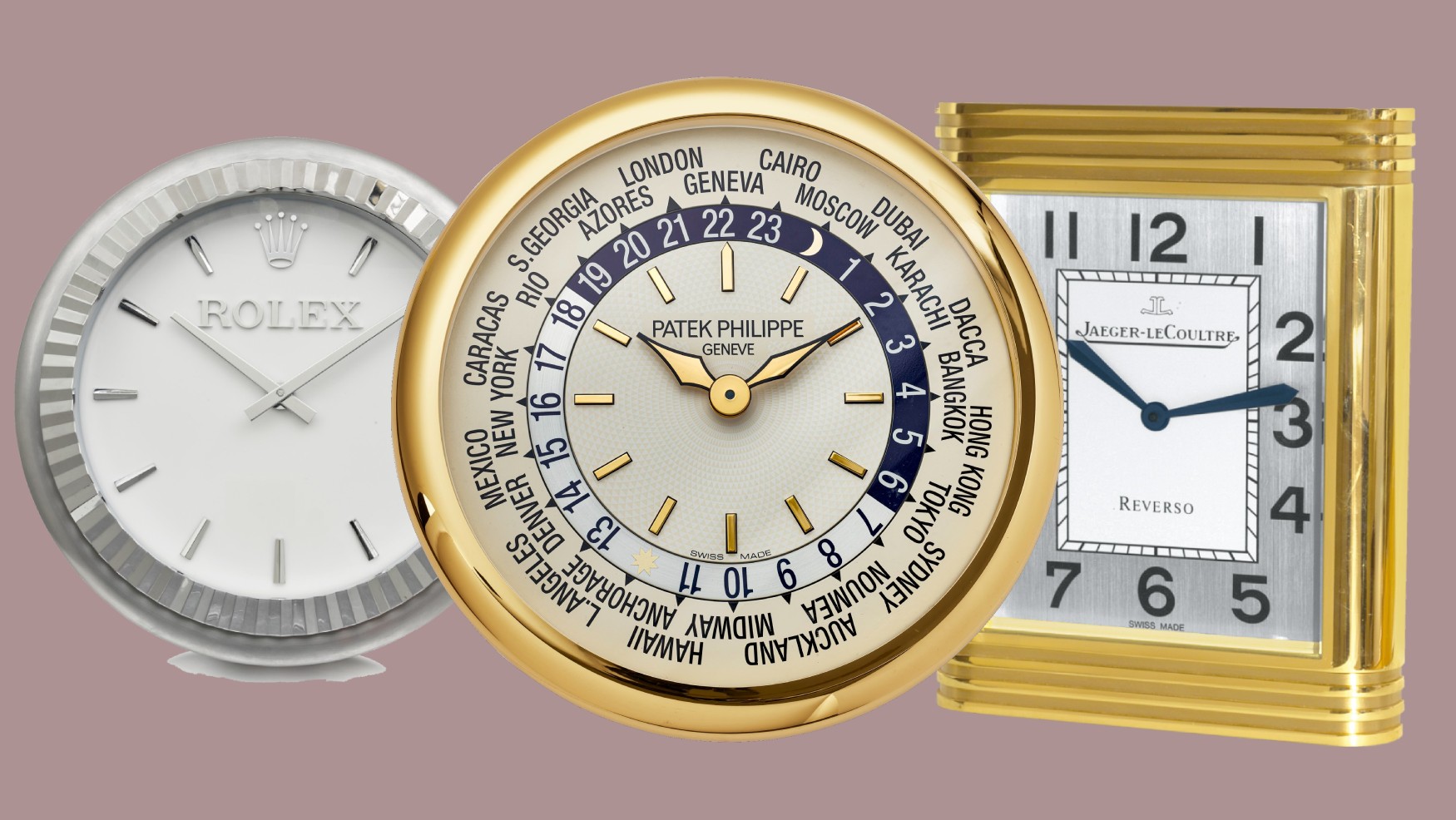
There are certain stages of a watch collector’s journey when you really need to stop and ask yourself: “What in fresh hell am I actually doing?” Well, that’s the exact spot Borna found himself in last year, after a simple Google search spiralled into maniacally CTRL+F’ing in the depths of the Omega forums to find answers.
“What was I searching for? To be perfectly honest, I don’t even remember the exact term that initiated the frenzy, but I do remember being curious about dealer clocks. They come up in discussions every once in a while, and while it has become pretty common knowledge that the vast majority of the ones you see listed on Reddit and various Facebook enthusiast groups are fake, I wondered where the real ones actually come from.” Read Borna’s journey into dealer clocks here.
A stainless steel Patek Philippe isn’t for you, and that’s okay
The Patek Philippe Aquanaut is one of Andrew O’Connor’s all-time favourite watches. When he told this to a fellow watch-obsessed buddy of mine, it was met with a look that implied questioning my taste while he let out the flattest “that’s cool” I’ve heard in a while. “I have been fortunate enough to even handle the exact version I would love to have, the ref. 5165A-001. With slightly reduced proportions with no compromises that I can see on the original design, it aligns perfectly with my wrist wear preferences,” he explains.
“But what does this gushing over a stainless steel time-only watch have to do with anything relevant or interesting? Especially when love for steel sports watches is still strong. Well, I have come to a very long-winded realisation that I think is not often acknowledged, but may be here to stay. Patek Philippe sport watches are not for me, and probably not for you either, and that is okay.” For a first article on Time+Tide, this one’s a corker. Read Andrew’s logic on his bold claim here.
Status on the wrist: how I navigated watch etiquette in South Korea’s corporate culture

Andrew O’Connor was one fresh voice joining T+T’s roster in 2025, and Jason Lee was another, who penned this great piece. “Wristwatches in South Korea function as more than timekeepers. In many offices, they operate as quiet social signals that intersect with hierarchy, workplace expectations, and consumer habits – and wearing the right (or wrong) watch can make a huge difference,” he explains.
This article outlines the historical background and the norms that guide interpretation at work and watch culture in South Korea more broadly, as well as the writer’s personal experience wearing watches at work at a typical Korean firm. Read Jason’s experience here.
What will the revived Urban Jürgensen’s place in the watch market be?

A few years back, Urban Jürgensen came onto Zach’s radar with its sporty, modern One – though the brand, historically speaking, has long had an aesthetic we would describe as a Danish twist on Breguet. The Urban Jürgensen One was a novel entry into the ever-popular luxury, integrated bracelet watch segment at its peak. Despite the attention and niche attraction the One had, it was clearly not enough to keep the brand going as it was. Brands with predominantly higher-end, dressy pieces in their catalogues require a constant stream of buzz behind them to succeed – think Cartier and F.P. Journe.
So, when news broke that the brand had been acquired by the Rosenfield family in 2021, with celebrated watchmaker Kari Voutilainen enlisted to serve as co-CEO, we were all eager to see what the next chapter would be for the historic brand that was originally founded in 1773. Many presumed we would see a launch of the next generation two years later, in 2023, for the 250th anniversary. However, it took the duo another four years to finally reveal the fruits of their labour. The question that lingered in Zach’s mind now that we have seen the three debuting novelties is this, though: what will Urban Jürgensen’s place in the watch market be? Read Zach’s thoughts here.
Breguet’s Souscription watches prove he was a watchmaking and business talent

Being an inventor of any one thing that is mentioned or used even after your passing already makes you great in a way. By that measure, Abraham-Louis Breguet is one of the greatest, having his name against a great number of inventions and patents, many of which were either commercialised and improved upon by modern technology, or still remain in use today in eerily similar form. The eponymous hands and numerals, shock-absorbing devices, balance springs, and of course, the tourbillon can all be traced back to Breguet – but one “invention” that is often attributed to him (though perhaps misunderstood) is that of the Souscription watch.
Not only were these watches significant as they marked Breguet’s return to France, but they also introduced a novel payment model for those whose breech pockets weren’t quite so deep. As we’ve seen exemplified numerous times, being a great watchmaker isn’t enough to be a successful one, and the story of the Souscription watch may just show why Breguet was both. Read Borna’s telling of that story here.
Why you’re wrong about watches being the only male jewellery
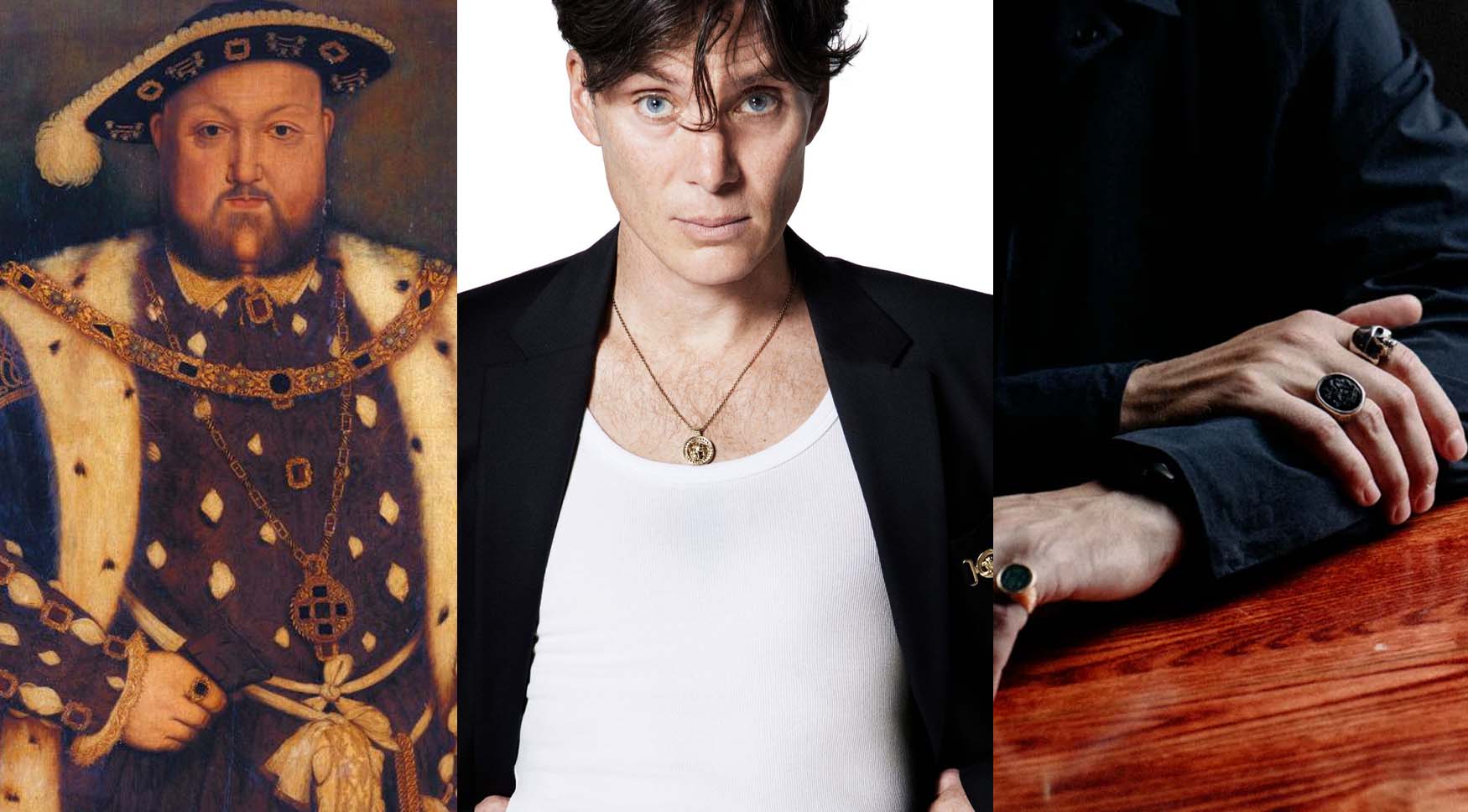
It’s a sentiment we see over and over again. Whenever the gender imbalance of luxury watch enthusiasts is brought up, the instant defence is to claim that wristwatches are the only jewellery that men are allowed to wear. Of course, they will all agree that it’s not a literal imposition, but rather societal expectations that have led to these circumstances.
Well, not only are they incorrect on a vast historical front, but in all modern senses too. Read Buffy explain why here.
Could Omega’s signing of Aaron Taylor-Johnson as an ambassador confirm him as James Bond?
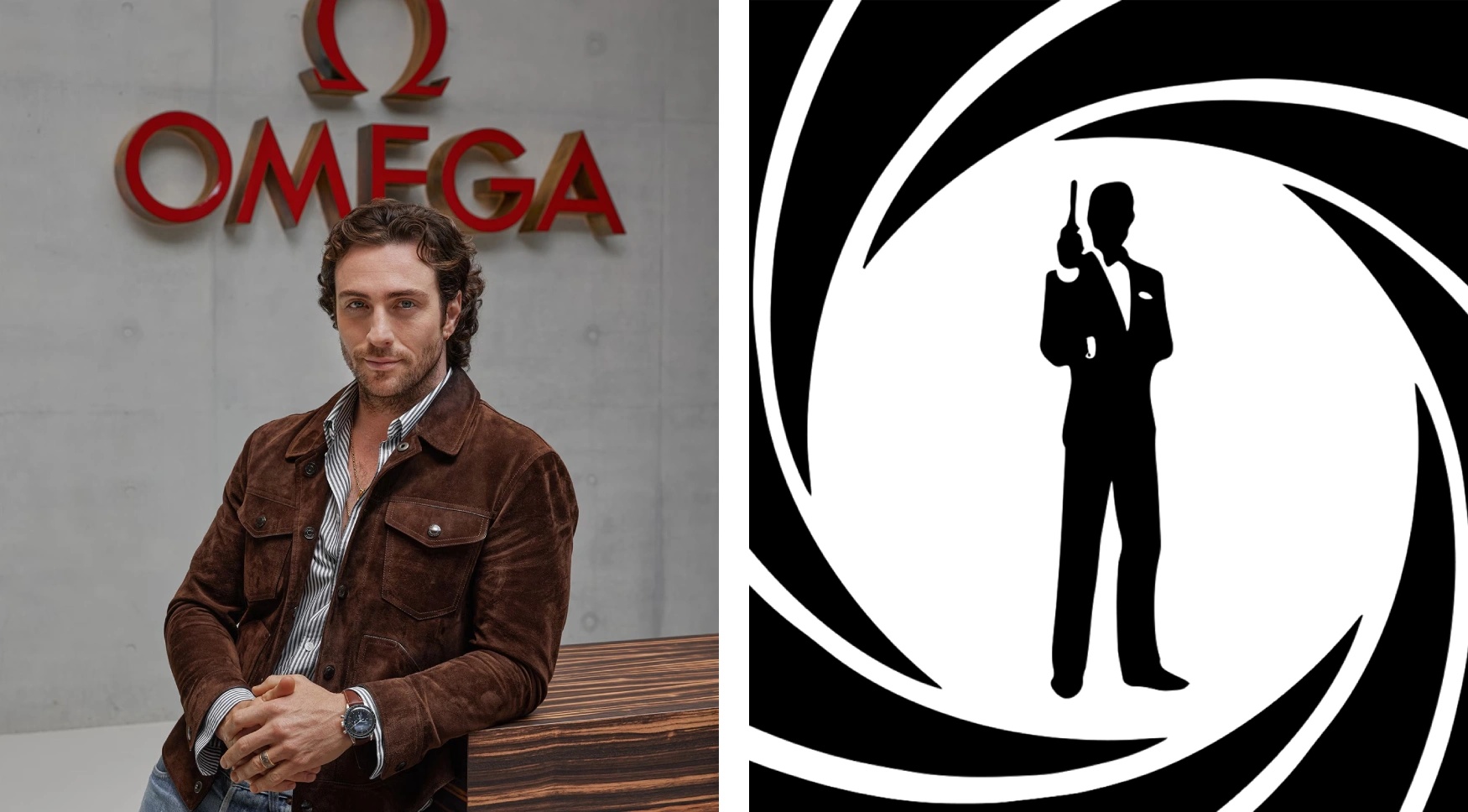
Even before 2021’s No Time to Die was released – the twenty-fifth James Bond film, and the fifth and final to star Daniel Craig as 007 – it seemed that we journalists were speculating wildly about who would replace Craig as the world’s most famous fictional spy. Four years later, and it seems we’re no closer to an answer… Or are we? This is where being passingly familiar with the machinations of the watch world can be very helpful, with a fresh Omega signing suggesting that we might finally know who’s taking up the mantle. Aaron Taylor-Johnson – who you might know from Bullet Train (2022) or Nocturnal Animals (2016) – was confirmed as an Omega brand ambassador in May 2025.
As we enter 2026, we’re still no closer to finding out who’s Bond – and indeed, some bookmakers aren’t as convinced as we are that Taylor-Johnson is the frontrunner – but nevertheless, it’s worth speculating. Read Jamie’s article here.
What’s the deal with Must de Cartier? The story behind Cartier’s experiment with affordable watches

With Cartier being irrefutably red-hot at present, it would seem inconceivable that, once upon a time, the Maison was struggling to sell its watches. The so-called quartz crisis caused a shockwave throughout the watch industry, and Cartier, like many European watch brands, was not immune to the ripple effect that more accurate and cost-effective quartz watches created.
Therefore, Cartier was in search of a solution. A solution that would allow the brand to continue to create timepieces befitting of its storied name, but at a price point that could better compete in this new quartz era. And that solution, as we know now, was Must de Cartier. Read Zach’s history of this Cartier sub-label here.
Everything you need to know about Sellita

It wasn’t very long ago that buying a Swiss watch was nearly a guarantee of seeing an ETA movement. Now, the market is far more diverse, but the Sellita name has quickly become almost as recognisable. In fact, it took just over 20 years for Sellita to go from a parts supplier to selling 800,000 of its most popular movement in 2024 alone.
That might suggest that Sellita stumbled into some secret formula for success, but the real key was taking initiative when it mattered. If you’re wondering where it popped up from and why its movements are everywhere, here’s everything you need to know about Sellita, courtesy of Buffy, here.
Will third time be the charm for a revived Universal Genève?

From one revived brand to one that’s yet to be revived… In the nearly two years since Breitling announced their acquisition of the historical name (and more than two years since Borna’s Nostradamian prediction), Universal Genève has been drip-feeding details about its comeback: a new website with in-depth storytelling, interviews by Georges Kern, a 2026 release date… The big-ticket items, however, were the two watch releases. First, a trio of piece unique Polerouters for the model’s 70th anniversary, and in November 2025, a reimagined collection of Nina Rindt Compaxes.
“Having unveiled these “new” models, I think we’ve seen what there is to see from the brand in terms of watches before the eventual revival this time next year – so, what do we want in 2026, and will it align with what we’re likely to see?” Read Borna’s prediction here.
Why gender isn’t the point, but recognition is: how the watch world can be more inclusive
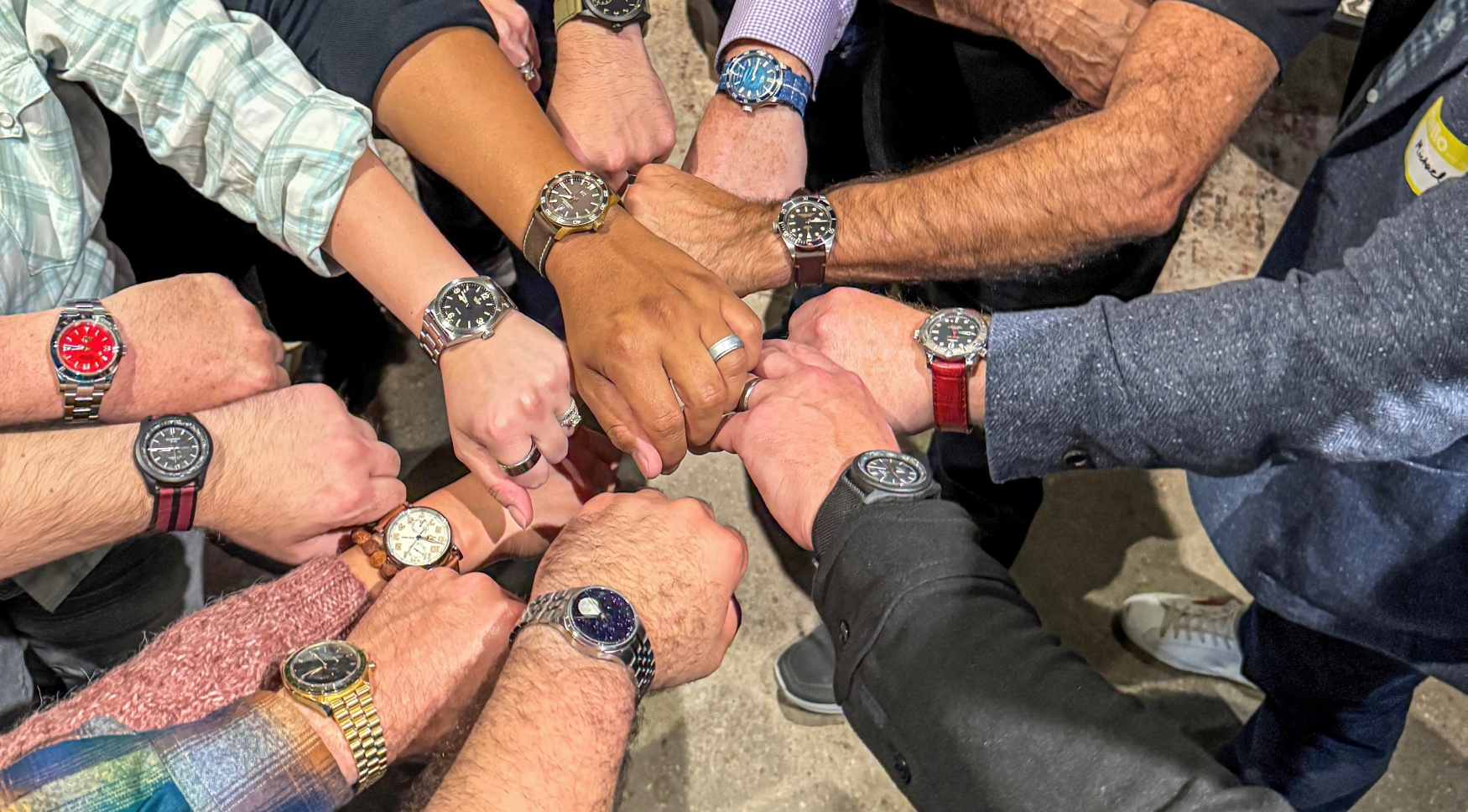
Last but not least, one of the best articles we published in 2025 was this piece from guest contributor Chris Antzoulis, who shared his story about founding a RedBar chapter as well as his thoughts on how watch collectors can do more to make our hobby more welcoming.
“Despite what some emboldened keyboard crusaders might claim, diversity, equity, and representation aren’t radical ideas: they’re common decency,” he argues. Read Chris’ full opinion piece here.